
French Drains and Retaining Walls
Permanent Solutions for Water and Slope Problems
French Drains and Retaining Walls in Coos Bay & North Bend, OR, for properties with standing water, erosion damage, or unstable slopes
Water pooling in low spots after winter storms and soil sliding down hillsides represent two of the most damaging conditions coastal properties face. Cleveland Fencing and Contracting installs French drains and retaining walls across Coos Bay, Bandon, and North Bend, OR, to redirect runoff, stabilize slopes, and protect foundations from prolonged saturation. When drainage systems route water away from structures and retaining walls hold soil in place, properties remain functional through the wettest months without progressive erosion or flooding risks.
French drain installation involves excavating trenches that slope away from problem areas, lining them with drainage fabric to prevent sediment clogging, placing perforated pipe surrounded by gravel, and backfilling to restore surface appearance while water flows invisibly below grade. Retaining walls use stacked materials anchored into stable soil or bedrock to hold back earth on sloped lots, preventing downhill migration that undermines driveways, patios, and fencing. Both systems address the mechanical cause of failure rather than surface symptoms, which means water moves where you direct it and soil stays where walls confine it.
Schedule a property evaluation to identify drainage patterns and slope stability concerns specific to your site conditions.
What Proper Drainage and Wall Systems Accomplish
Subsurface drainage systems collect water before it surfaces, using gravity to move it through gravel-wrapped pipe toward discharge points like storm drains, dry wells, or street gutters. The trench depth and slope determine flow velocity, while fabric prevents fine particles from migrating into the gravel layer and reducing permeability over time. On properties with clay-heavy soil common along the southern Oregon coast, French drains intercept water that would otherwise saturate the ground and create hydrostatic pressure against foundation walls or basement floors.
After installation, you notice standing water disappears from previously flooded areas, basement walls stay dry during heavy rain, and landscape plantings survive without root rot caused by oversaturation. Retaining walls create level terraces on slopes, turning unusable hillsides into functional outdoor spaces while protecting lower areas from soil displacement. The visible difference includes stable ground where erosion previously carved gullies, and dry basements where water once seeped through cracks during storm season.
Drainage grading solutions work alongside trench systems when surface water needs initial direction before entering subsurface pipes, while retaining wall height and footing depth depend on soil composition and the vertical distance between grade levels. Projects combining both systems address complex sites where water runoff accelerates erosion on slopes, requiring coordinated solutions that stabilize soil and control water simultaneously.
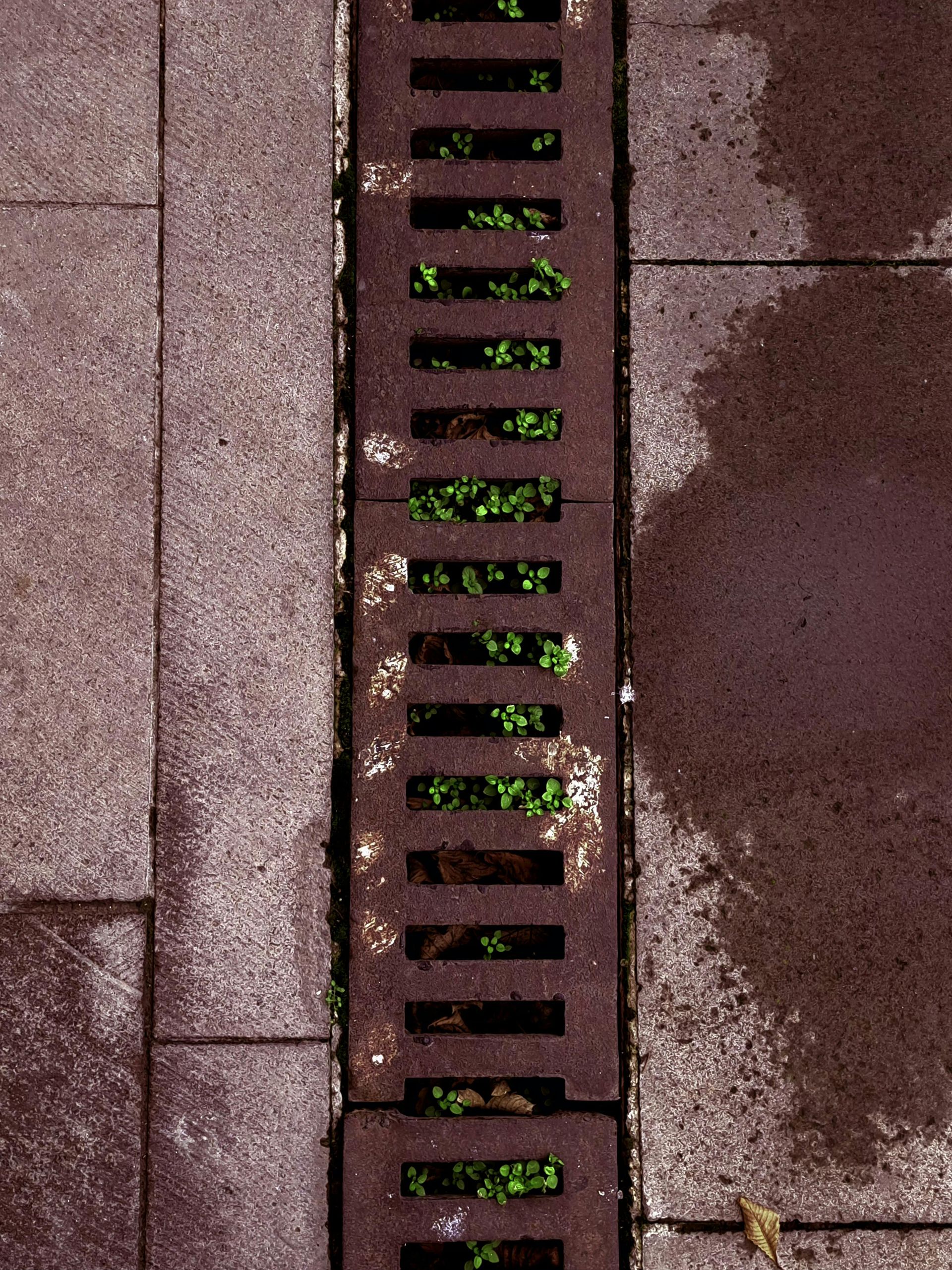
Slide title
Write your caption hereButton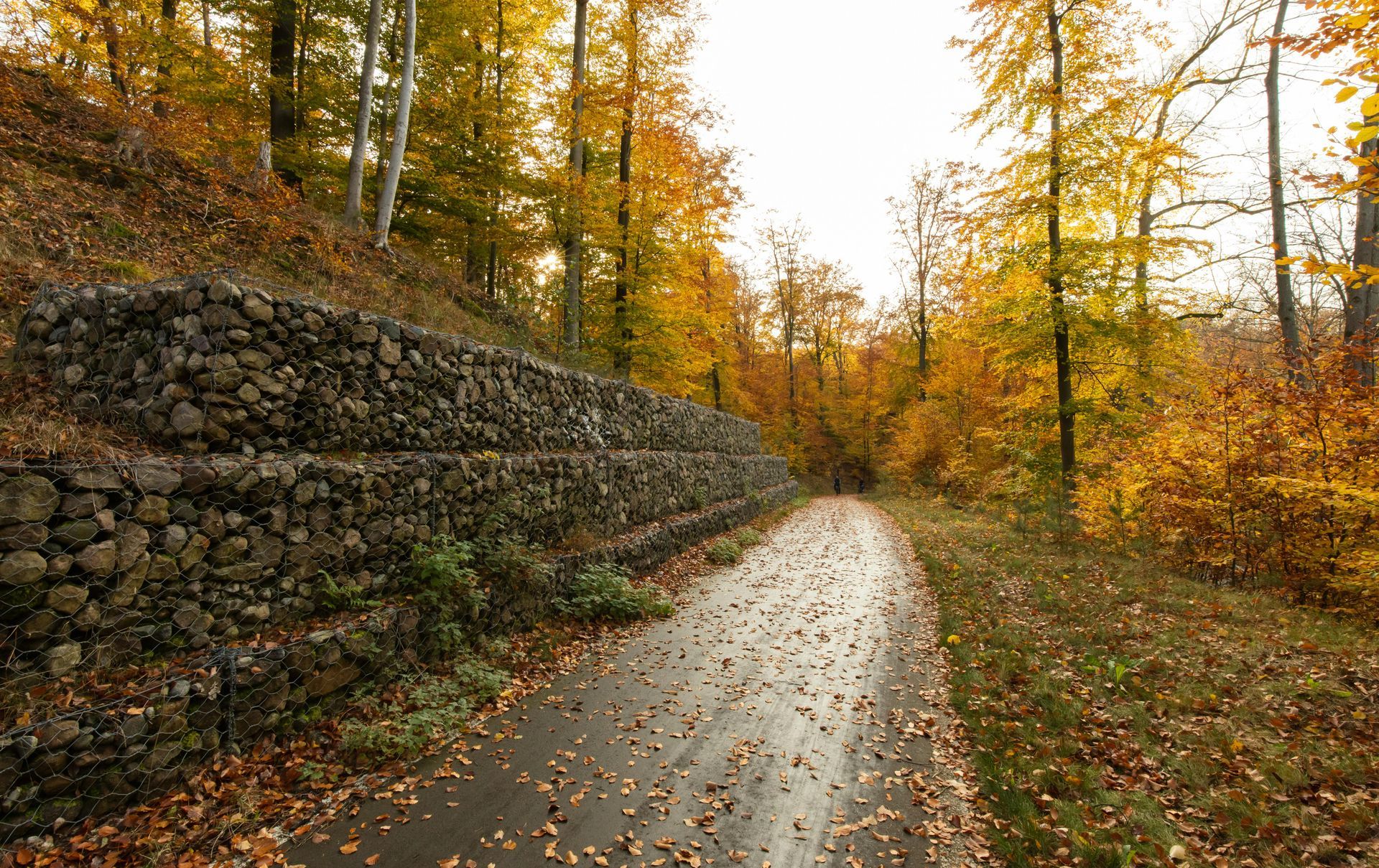
Slide title
Write your caption hereButton
What Property Owners Usually Ask
Residential and commercial properties throughout Coos Bay, Bandon, and North Bend, OR, face drainage and erosion challenges intensified by coastal rainfall patterns and varied topography. These questions address common concerns about installing permanent water management and slope stabilization systems.
- How does a French drain differ from surface grading? Surface grading reshapes soil to direct water across the ground, while French drains capture and move water underground through perforated pipe surrounded by gravel and drainage fabric, preventing surface flooding and soil erosion simultaneously.
- What determines retaining wall height and material selection? Wall height depends on the vertical distance between upper and lower grade levels, soil type, and load-bearing requirements, with taller walls often requiring engineered footings and drainage systems behind the wall to relieve hydrostatic pressure that could cause failure.
- When should drainage systems be installed relative to landscaping projects? Drainage installation happens before final grading, hardscaping, or planting because trench excavation disrupts existing surfaces, and proper system design influences where water exits the property and how surface features direct runoff into collection points.
- Why does coastal soil composition affect drainage design in Coos Bay? Clay-rich soils common in the area drain slowly and retain water longer than sandy soils, requiring deeper trenches with more gradual slopes and larger gravel volumes to maintain flow rates that prevent system backups during extended rain events.
- What maintenance do French drains and retaining walls require long-term? French drains need periodic inspection at discharge points to confirm water flows freely and fabric remains intact, while retaining walls require monitoring for tilting, cracking, or drainage system clogs that indicate structural stress or water pressure buildup behind the wall.
Cleveland Fencing and Contracting evaluates site-specific drainage patterns and slope conditions to design systems that protect foundations, eliminate standing water, and stabilize soil on properties where water and erosion cause recurring damage. Request a site consultation to review options for trench drainage, retaining wall installation, or combined systems that address multiple water management challenges.